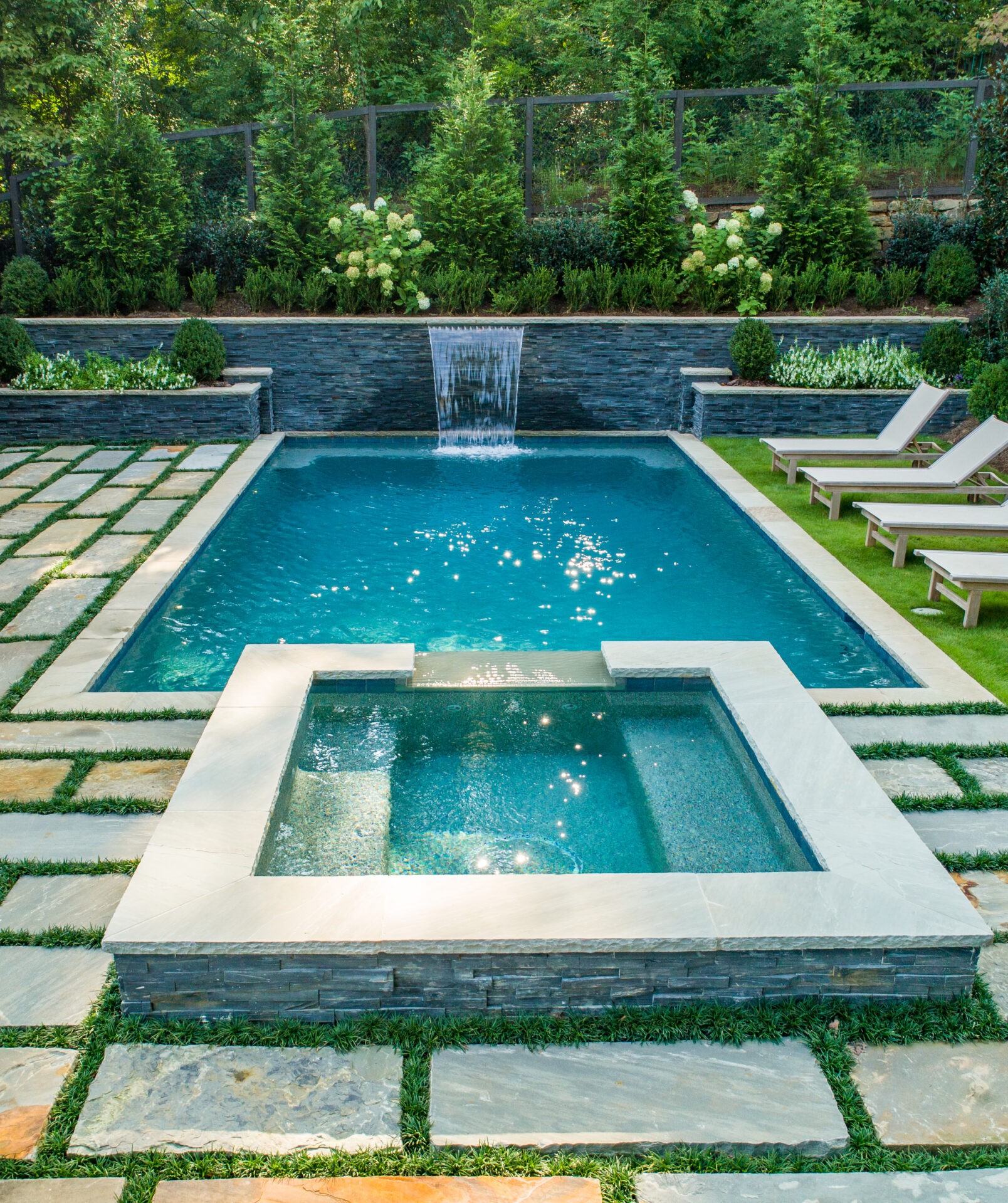
Custom Pool Coping in Roswell and North Atlanta, GA
Pool coping shapes the edge where water, tile, deck, drainage, and comfort meet. Landscape Studio Group plans coping as part of the whole poolscape, with materials and profiles selected around the home, the terrace, and the way the pool is used.
MaterialStone, travertine, pavers, concrete, bullnose, and cantilever options are compared around the property.
PerformanceDrainage, joints, movement, deck condition, and waterline transitions are reviewed as part of the edge.
DesignThe pool perimeter is coordinated with tile, decking, masonry, planting, lighting, and outdoor rooms.
Direct Answer
Pool coping should protect the edge, feel good under bare feet, drain correctly, and complete the pool-to-deck transition.
For Landscape Studio Group, coping is not picked from a product sheet alone. The right edge depends on the pool shell, waterline tile, deck surface, drainage path, joint condition, surrounding stonework, and the architectural style of the home.
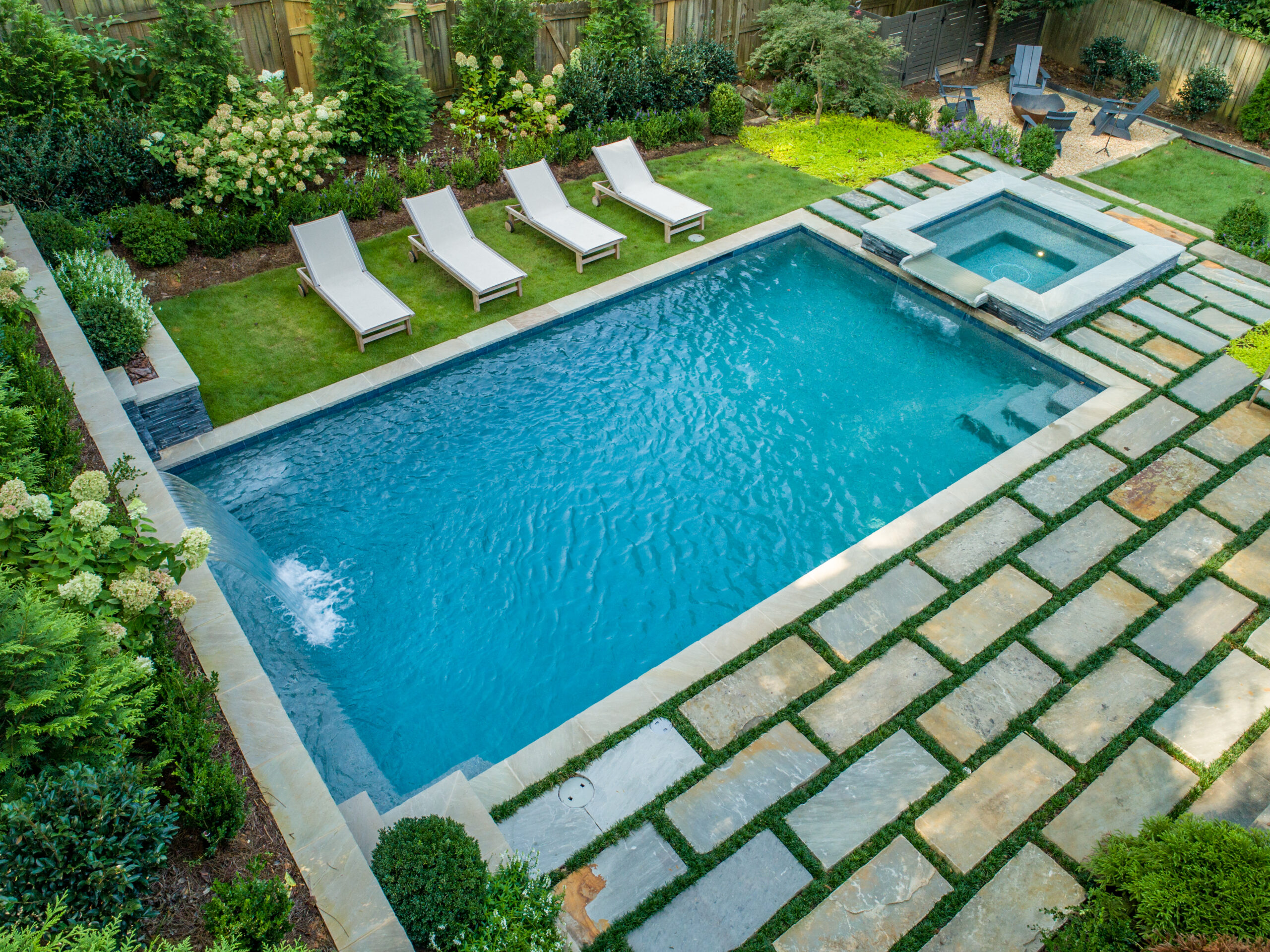
Pool edges designed for durability, comfort, drainage, and finish.
Coping is the line homeowners touch, step across, and see from the house. It also protects the pool edge, helps organize the waterline transition, and affects how the surrounding deck and drainage details perform over time.
E
Edge Protection
Cap the pool perimeter, protect the shell, and give the waterline-to-deck transition a finished architectural edge.
D
Drainage Logic
Plan coping, deck slope, drains, and joints so rainwater and splash water move where they should.
M
Material Fit
Compare stone, travertine, pavers, concrete, bullnose, and cantilever profiles around style, comfort, grip, and care.
T
Tile & Deck Transitions
Coordinate coping with waterline tile, surrounding decking, stonework, steps, walls, and poolside gathering areas.
R
Renovation Scope
Decide when a coping issue is a repair, replacement, or part of a larger poolside redesign.
Pool Coping Materials & Profiles
Stone, travertine, pavers, bullnose profiles, and cantilever pool edges.
The best coping material is the one that fits the architecture, the pool setting, maintenance expectations, and the surrounding hardscape. A traditional home may call for a rounded stone edge, while a cleaner renovation may need a quieter profile and tighter deck geometry.
Natural Stone Coping
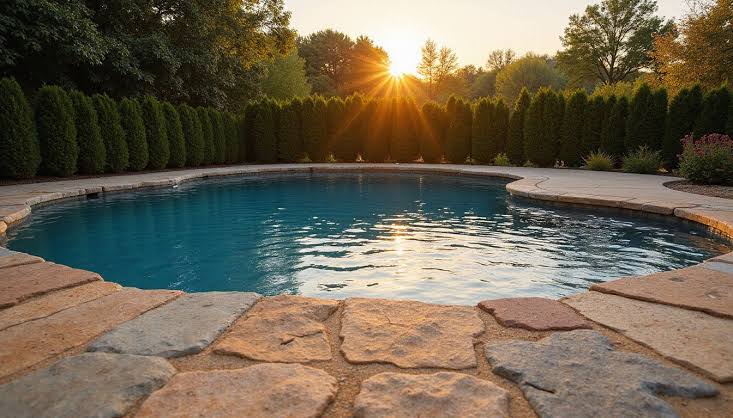
Stone coping can bring a richer architectural edge when the material, thickness, finish, and profile fit the home and pool terrace.
Travertine Pool Coping
Travertine can support a warm, premium poolside look when selected with maintenance, finish, water exposure, and deck palette in mind.
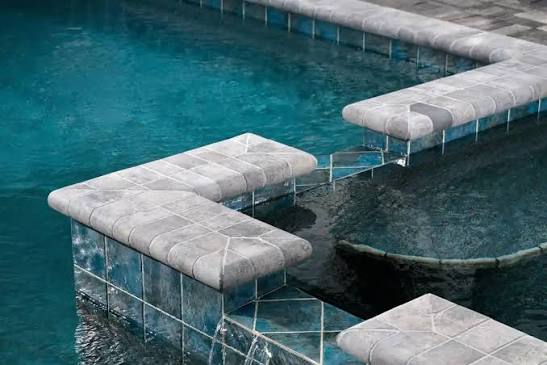
Bullnose Coping Profiles
A rounded bullnose profile creates a softer handhold and a more traditional edge around water, stone, tile, and patio surfaces.
Cantilever & Concrete Edges
A poured or concrete edge can create a cleaner continuous line when workmanship, slope, joints, and crack control are planned carefully.
Coping Replacement
Loose pieces, cracked edges, failed sealant, stained joints, or dated materials may point to a perimeter that should be repaired or redesigned.
Tile, Decking & Drain Coordination
Coping performs best when waterline tile, deck materials, drains, expansion joints, and nearby steps are reviewed as one assembly.
Replacement & Renovation
Coping replacement should be judged with the whole pool perimeter in view.
Loose pieces, cracked corners, failed sealant, stained edges, mismatched repairs, and aging tile lines can point to a larger perimeter issue. The right answer may be a targeted repair, a new coping profile, or a broader redesign that includes tile, decking, drains, and adjacent stonework.
Repair review for loose pieces, open joints, cracks, staining, and edge movement
Coping replacement coordinated with waterline tile, resurfacing, decking, and drains
Material and profile choices matched to architecture, maintenance expectations, and comfort
Drainage, slope, sealant joints, movement separation, and deck condition considered together
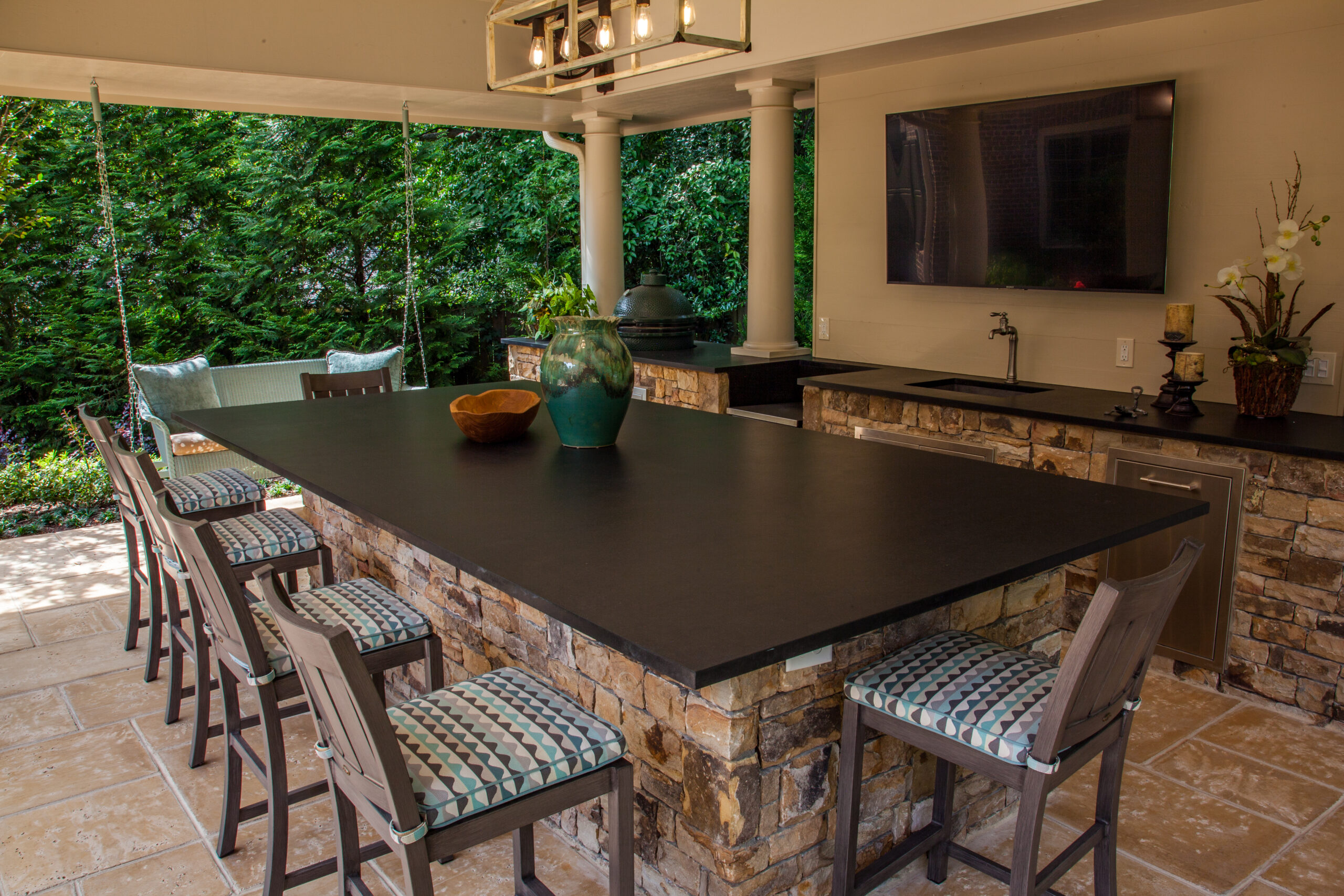
Visual planning for steps, walls, cabanas, outdoor kitchens, lighting, and planting near the pool
Interlinked Poolside Plan
Coping works best when the pool edge, deck, drainage, and outdoor rooms are planned together.
A coping project may connect to pool design, water features, decking, stonework, lighting, planting, or an outdoor kitchen nearby. Explore Poolside Services, review the Portfolio, see how Design Renderings support planning, or compare adjacent Outdoor Living Services.
Use these directions to think through coping material, profile, waterline tile, deck surface, drainage, joint condition, nearby steps, seating areas, planting, lighting, and how the pool edge should feel from inside the home.
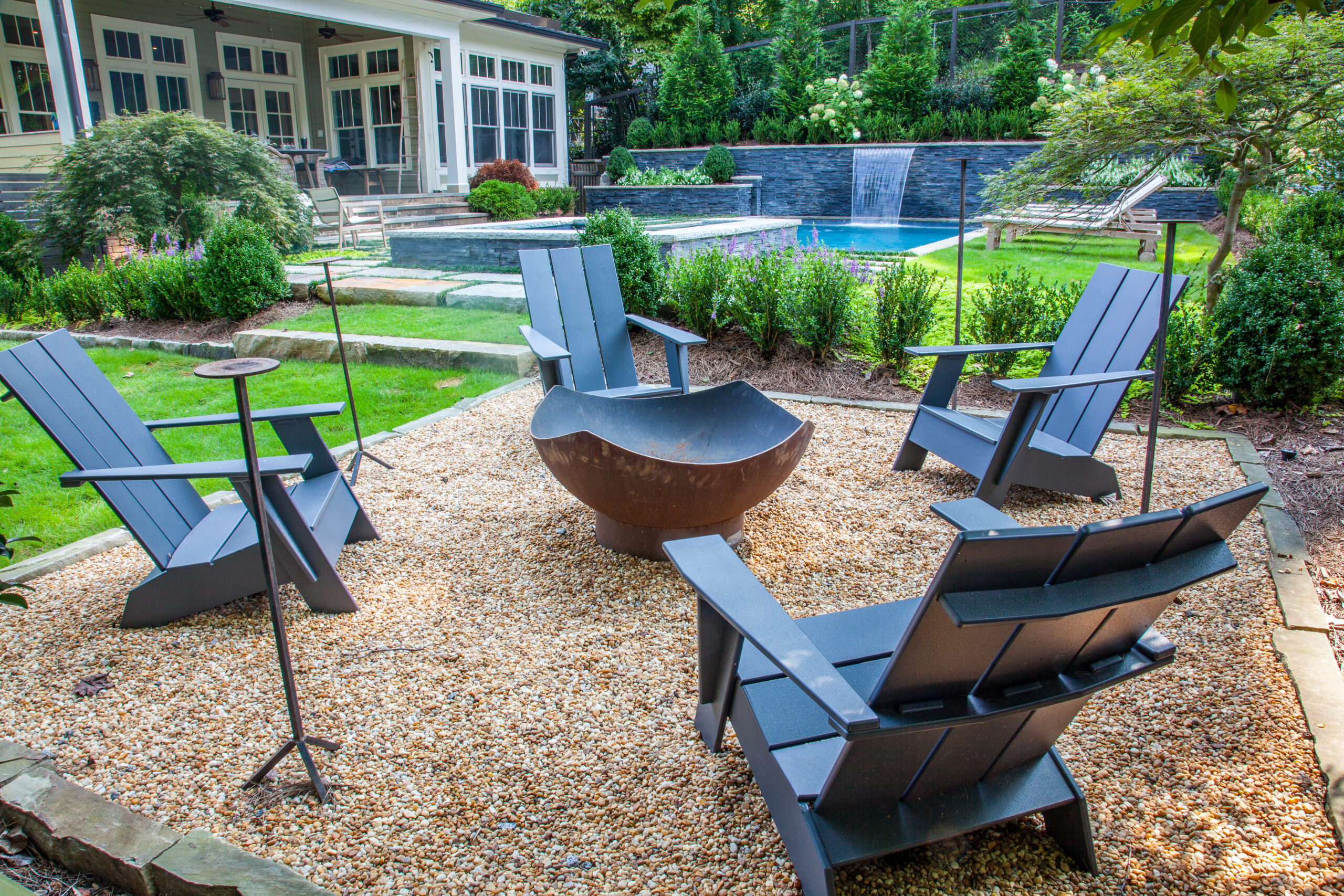
Pool Edge Detail
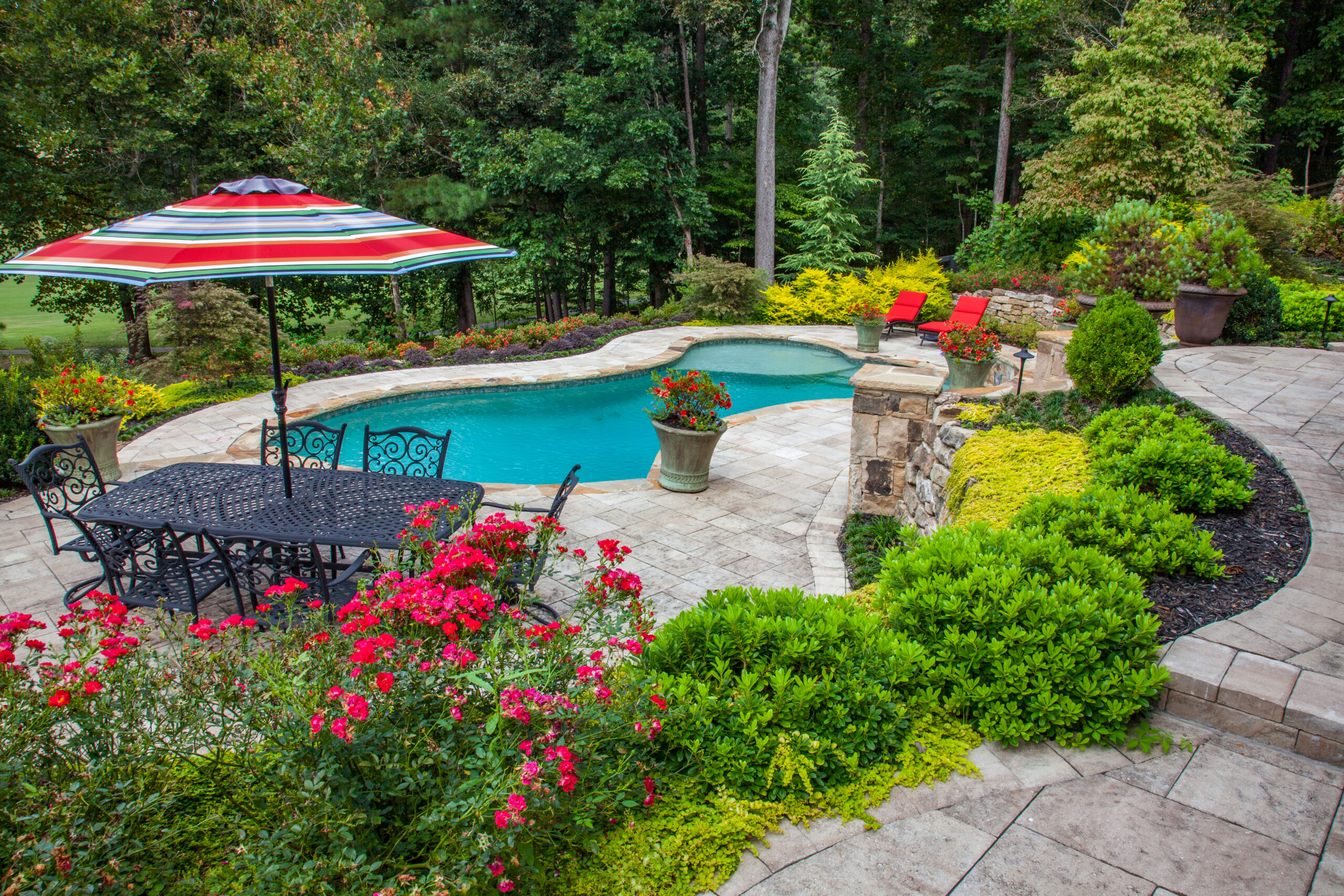
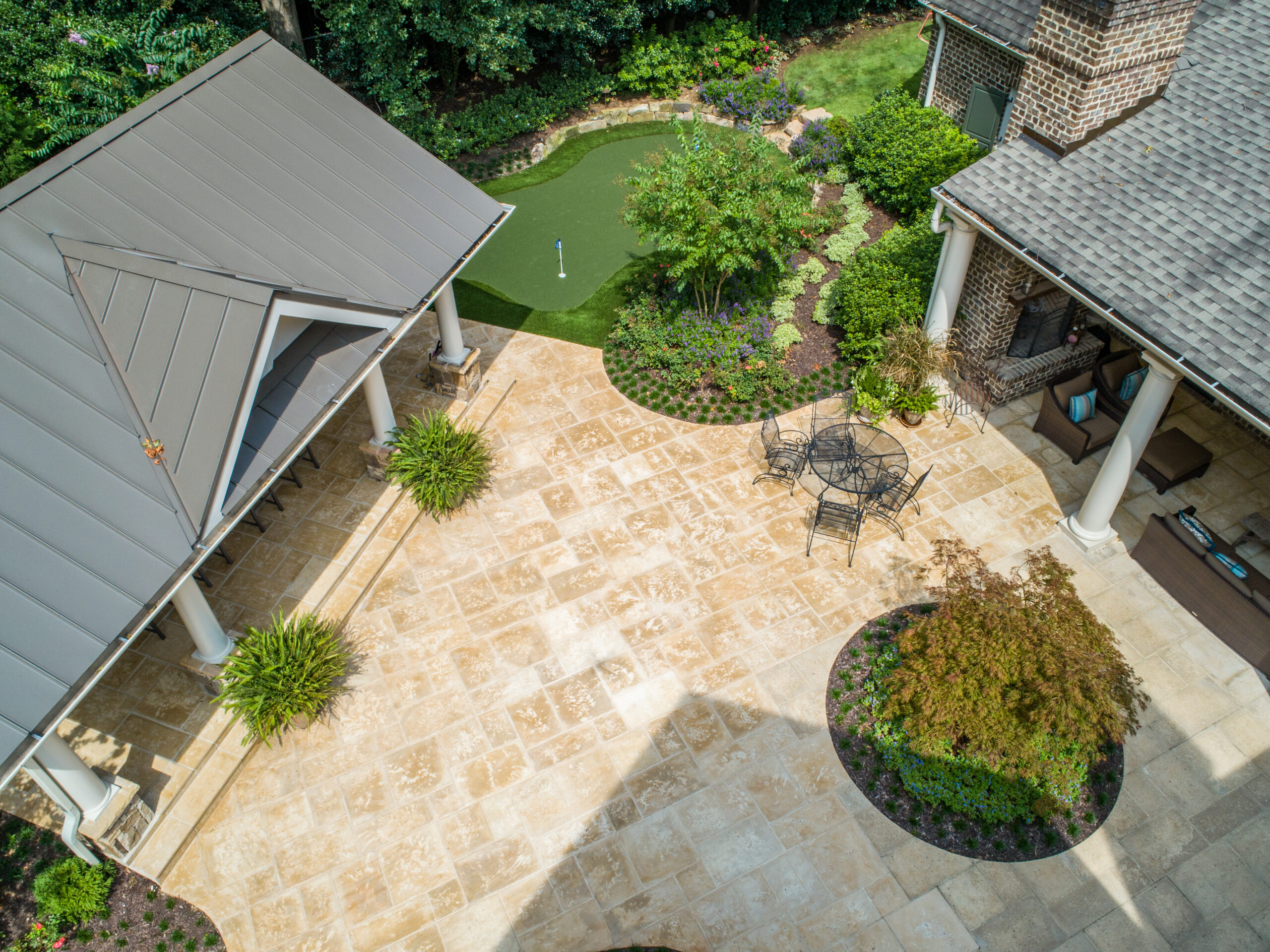
Stone Terrace Fit
Waterline Relationship
Drainage-Aware Planning
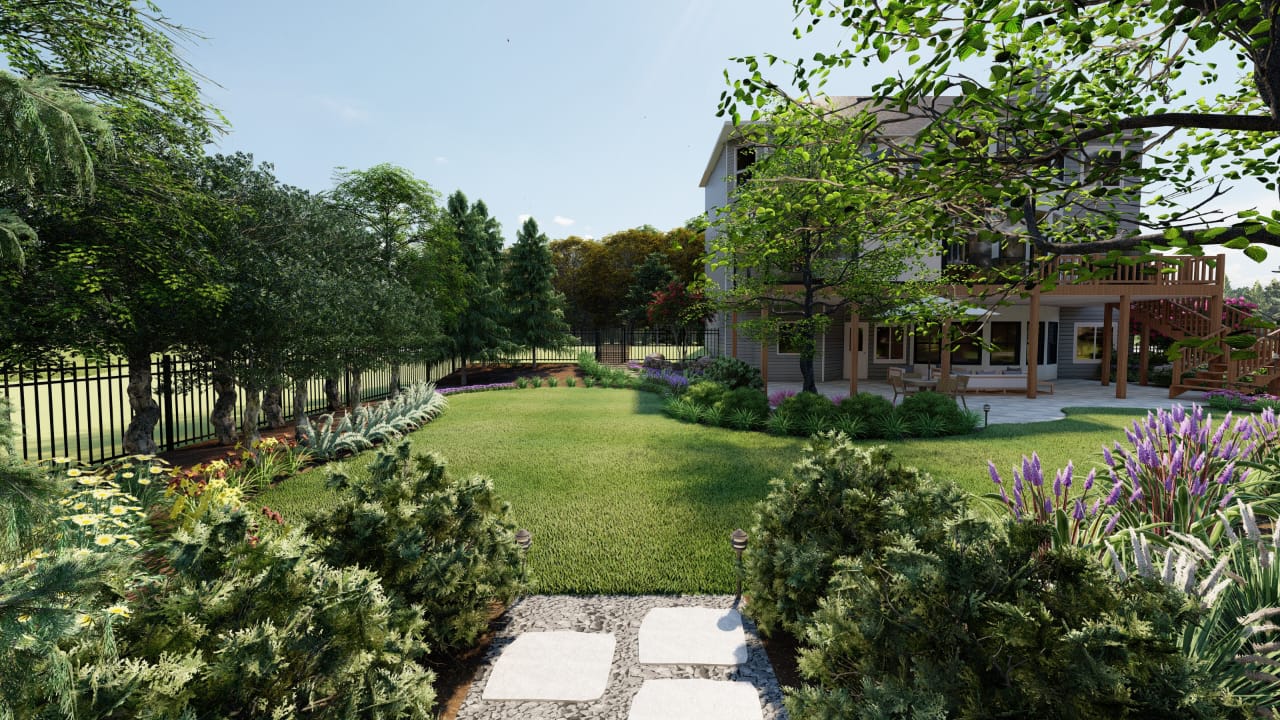
Rendering-Led Planning
How It Works
From pool-edge review to finished coping detail.
01
Consultation & Site Review
We review the existing edge, waterline tile, deck condition, drainage, access, surrounding materials, and how the pool is used.
02
Material & Profile Selection
Stone, travertine, pavers, concrete, bullnose, eased, and cantilever options are considered with comfort and architecture in mind.
03
Detailing & Coordination
Coping, tile, deck slope, drains, joints, masonry, steps, lighting, and planting are aligned before the work is sequenced.
04
Installation & Finish Review
Removal if needed, setting, edge detailing, joint work, cleanup, and final review are handled with the poolscape as the reference point.
Questions Homeowners Ask
Pool coping, answered simply.
The right coping plan depends on material, profile, tile, deck condition, drainage, joint movement, sun exposure, maintenance, and how the pool edge fits the rest of the backyard.
What is pool coping?
Pool coping is the cap or edge at the top perimeter of the pool. It helps finish the pool visually, protects the shell edge, and creates the transition between waterline tile and the surrounding deck.
What pool coping materials work well in North Atlanta?
The right material depends on the home, pool style, maintenance expectations, sun exposure, water exposure, and surrounding hardscape. Natural stone, travertine, pavers, concrete, bullnose profiles, and cantilever edges can each make sense in the right setting.
Should coping be replaced when waterline tile or decking is updated?
Often it should at least be reviewed. Coping, tile, deck surface, drains, and joints age together, and changing one visible surface can make an older transition feel mismatched.
What signs point to coping replacement?
Loose coping pieces, cracked edges, deteriorated sealant joints, stains, repeated movement, mismatched repairs, and failing tile lines can all point to a perimeter that needs closer review.
What affects the cost of pool coping?
Cost is shaped by material, profile, linear footage, demolition, tile coordination, deck condition, drainage, joint work, access, stone fabrication, and how much of the surrounding poolscape is being changed.
Can coping be planned with a larger pool renovation?
Yes. Coping is often strongest when it is coordinated with pool resurfacing, waterline tile, decking, drains, steps, lighting, planting, outdoor rooms, and the overall poolside design.
Service Areas
Serving Roswell and surrounding North Atlanta communities.
Landscape Studio Group plans pool coping and poolside material transitions for homeowners in Roswell and nearby North Atlanta communities.
Roswell
Alpharetta
Milton
Sandy Springs
Marietta
Johns Creek
Buckhead
North Atlanta
Request A Consultation
Ready to plan a pool edge that belongs with the property?
Tell us whether you are replacing loose coping, redesigning a dated pool edge, coordinating new waterline tile, planning a full poolside renovation, or choosing materials for a new pool project.