Landscape Studio Group helps manage lawn and bed weed pressure with a maintenance plan that respects the way North Atlanta properties are planted, irrigated, edged, and used.
The page distinguishes lawn weed pressure from planting-bed weed pressure so service recommendations do not feel generic.
P
Prevention And Follow-Up
Pre-emergent timing, post-emergent touchups, hand removal, mulch, and monitoring are positioned as parts of one maintenance rhythm.
L
Landscape-Sensitive Care
Messaging protects desirable shrubs, perennials, paths, pool areas, and hardscape details instead of treating the yard as only grass.
Answer First
Cleaner turf and beds start with timing, diagnosis, and steady care.
Weed control is not a single spray. A stronger plan separates lawn weeds from planting-bed weeds, looks at sun, moisture, mulch depth, turf density, and seasonal pressure, then pairs prevention with selective follow-up.
Direct Answer
Weed control in North Atlanta usually combines prevention, spot treatment, turf-density improvement, bed maintenance, and seasonal monitoring. The right plan depends on the weed type, grass or planting area, shade, irrigation, soil condition, and whether the issue is showing up in lawn, paths, joints, or ornamental beds.
1
Identify The Weed Zone
We separate turf, ornamental beds, path joints, driveway edges, and poolside planting pockets before recommending care.
2
Review Conditions
Shade, compacted soil, irrigation, mowing height, mulch, drainage, and nearby plants all affect the weed strategy.
3
Set Seasonal Timing
Prevention and treatment timing is planned around active growth, weather, turf stress, and the property’s maintenance cadence.
Service Detail
Weed control that fits the landscape around it.
The page separates the practical jobs homeowners search for, while keeping the service positioned as part of a designed maintenance program.
Lawn Weed Control
Support for broadleaf and grassy weed pressure in turf areas, paired with mowing, turf density, watering guidance, and seasonal observation.
Planting-Bed Weed Control
Bed-focused service that accounts for mulch, desirable plant roots, hand removal, edging, and selective care around shrubs and perennials.
Pre-Emergent Planning
Prevention is positioned around timing and site conditions, with follow-up planned where seed pressure or disturbed soil creates new growth.
Post-Emergent Touchups
Targeted follow-up helps address visible weed outbreaks after rain, soil disturbance, turf thinning, or seasonal pressure changes.
Hardscape Joint Care
Paths, driveway edges, paver joints, wall lines, and steps are reviewed so weed growth does not soften the intended hardscape outline.
Maintenance Bundles
Weed control can be coordinated with lawn mowing, seasonal planting, pruning, mulching, irrigation checks, and bed refreshes.
Diagnostic Layer
Lawn weeds and bed weeds need different decisions.
The same property can need more than one weed-control method. Turf areas depend on mowing height, density, seasonal growth, irrigation, and timing. Planting beds depend on mulch, hand removal, roots, desirable plants, and clean edges.
Turf Density
Thin turf creates more open space for weeds, so mowing height, watering, aeration, and fertility all matter.
Mulch And Bed Depth
Bed weeds often point to exposed soil, thin mulch, edge gaps, or seed pressure from nearby areas.
Irrigation Patterns
Overwatering, dry spots, or overspray can shift weed pressure and stress desirable plants.
Edges And Transitions
Driveway, path, bed, and pool-deck edges need routine attention so the landscape stays crisp.
Process
A calmer weed-control process for high-finish landscapes.
The work starts with what is growing where, then moves into timing, prevention, treatment, and follow-up maintenance.
01
Site Walk
The team reviews where weeds appear, what plants or turf are nearby, and how the property is maintained now.
02
Diagnosis
Lawn, bed, hardscape, shade, irrigation, mulch, and soil conditions are separated before the plan is set.
03
Seasonal Plan
Prevention, treatment, hand removal, mowing, bed care, and follow-up visits are matched to the property.
04
Monitoring
Pressure is checked over time so the plan can adjust after rain, heat, disturbance, or planting changes.
Project Context
Designed landscapes need weed control that protects the whole composition.
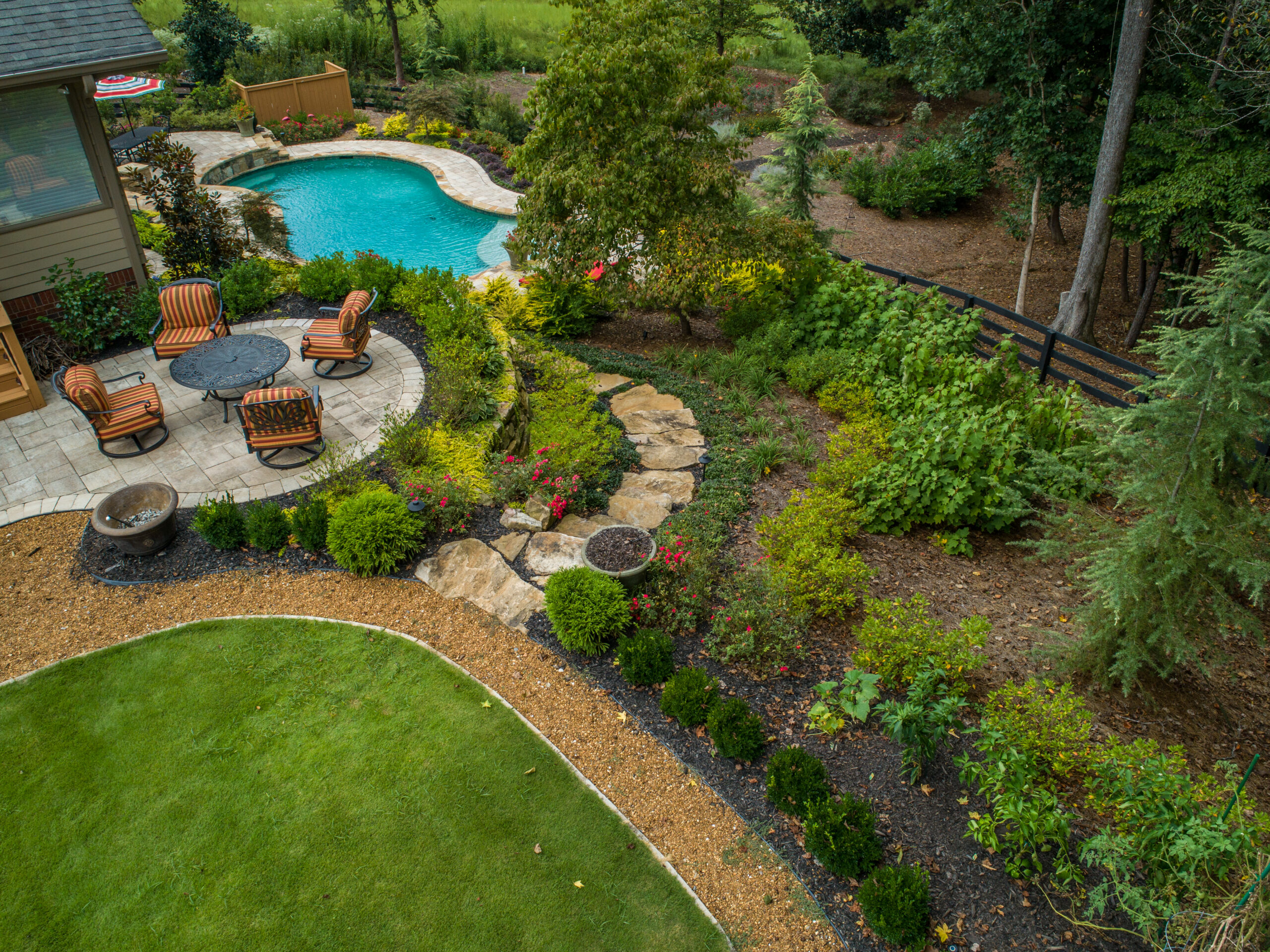
Clean turf, defined beds, hardscape joints, paths, and poolside planting zones all affect how maintained the property feels.
Turf And Beds
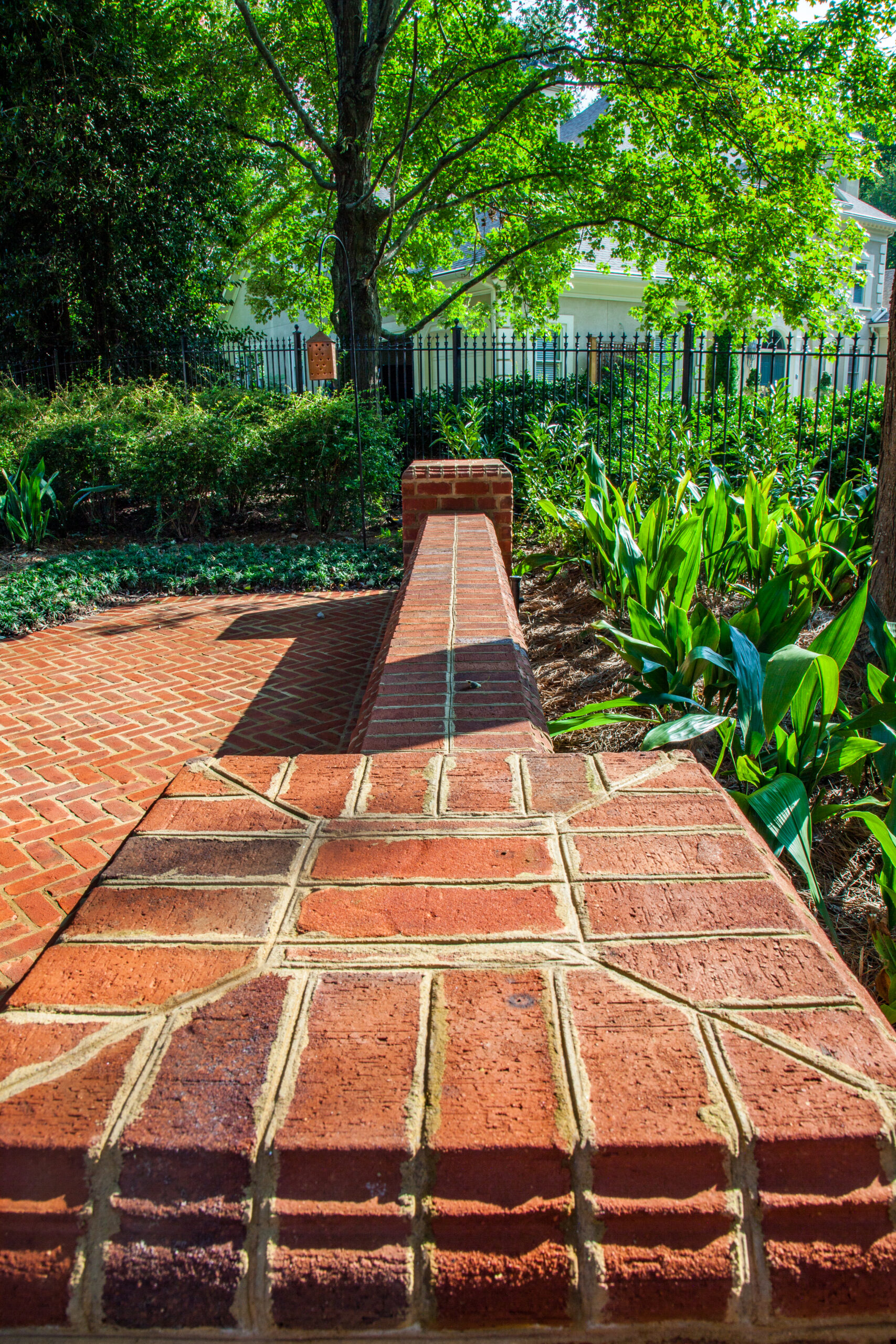
Clean Bed Lines
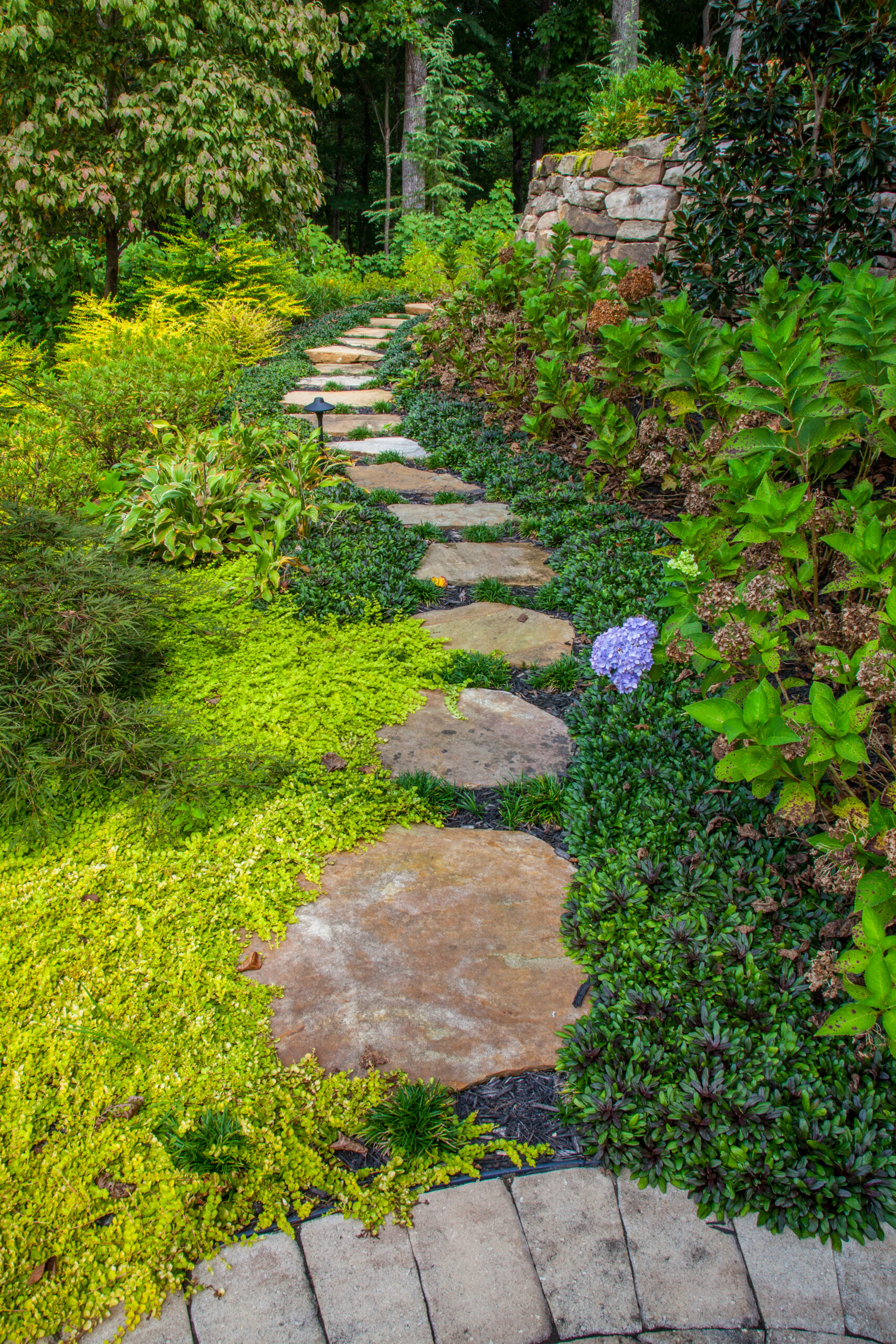
Path Detail
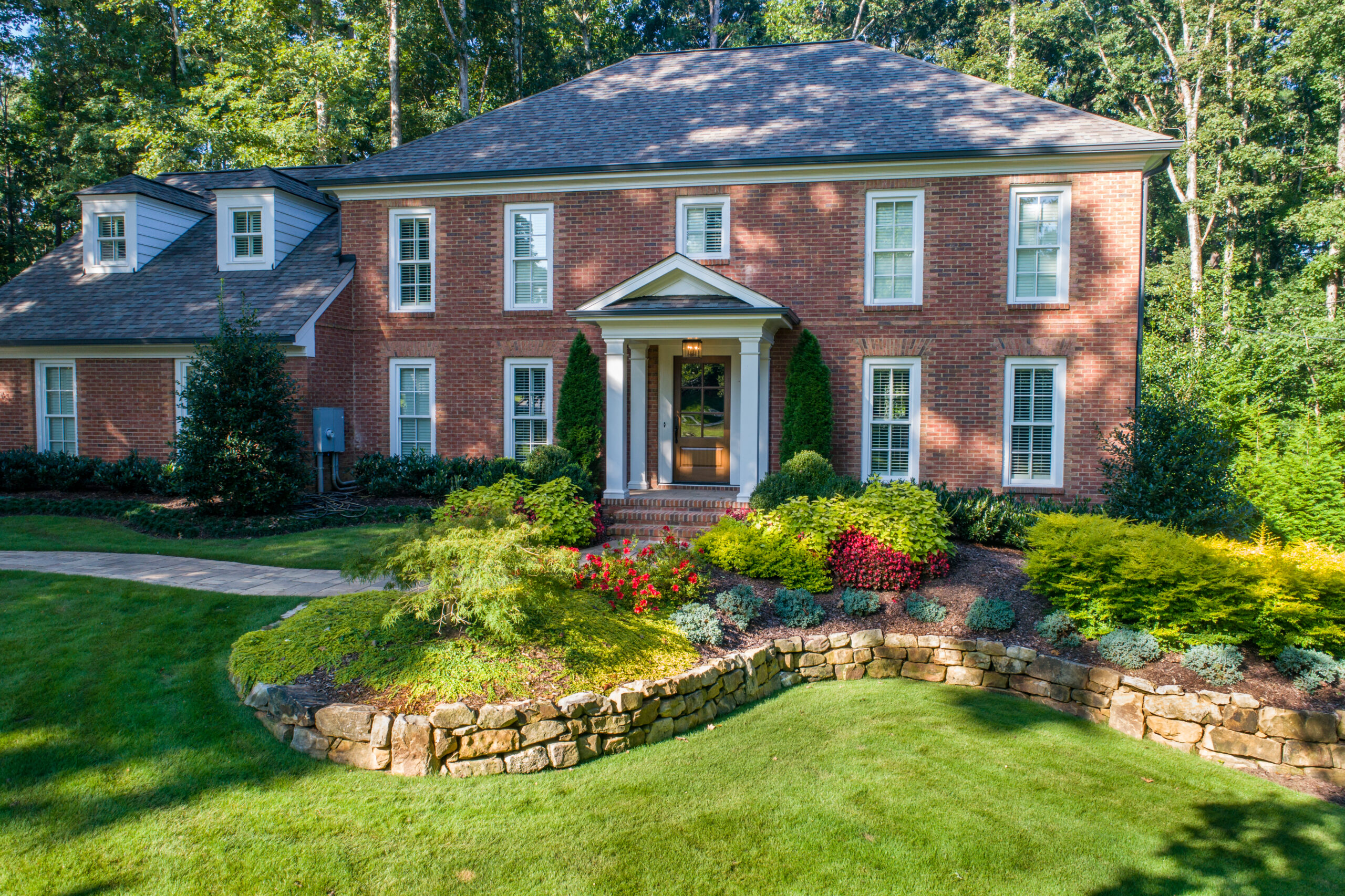
Front Yard Finish
Outdoor Room Edges
Service Areas
Serving Roswell and North Atlanta maintenance clients.
The supplied research highlights North Atlanta visibility as a key opportunity. These city signals keep the page connected to the local maintenance footprint without turning the copy into city stuffing.
Roswell
Alpharetta
Milton
Sandy Springs
Marietta
Johns Creek
Buckhead
North Atlanta
Questions
Weed control questions homeowners ask before maintenance starts.
What is included in weed control service?
Service can include lawn evaluation, bed evaluation, prevention planning, spot treatment, hand removal where appropriate, mulch and edge recommendations, and follow-up monitoring.
Do lawn weeds and bed weeds get treated the same way?
No. Turf weeds, planting-bed weeds, path-joint weeds, and weeds around desirable shrubs or perennials need different decisions.
Can weed control be part of regular maintenance?
Yes. Weed control can be paired with mowing, pruning, seasonal planting, mulch, irrigation checks, and bed refreshes.
Why do weeds keep returning after treatment?
Weeds can return because of seed pressure, open soil, thin turf, irrigation patterns, soil disturbance, shade, drainage, or missed timing.
Do you handle weeds in paver joints and paths?
Yes. Hardscape joints, path edges, driveway seams, and wall transitions can be reviewed as part of the maintenance scope.
Is prevention better than waiting until weeds appear?
Prevention is often more efficient when timed correctly, but visible outbreaks may still need targeted follow-up and maintenance adjustments.
Next Step
Bring weed control into the maintenance plan.
A tighter property review can identify whether weeds are a turf-density issue, a bed-care issue, a drainage and irrigation issue, or a seasonal timing issue.
Plan The Maintenance Scope
Share the service area, plant or lawn issues, access notes, and the level of finish you want. The Landscape Studio Group team can review the property and outline the right maintenance plan.