Core Lawn Aeration for Healthier, More Responsive Turf
When soil becomes compacted, water, air, and nutrients have a harder time reaching the turf root zone. Greensmith reviews the lawn and surrounding landscape before recommending aeration.
ReviewTurf, traffic, shade, irrigation, drainage, and seasonal conditions are reviewed before scope is set.
AerateCore aeration is recommended where it fits the lawn condition, grass type, and surrounding landscape.
CoordinateAeration can be planned with fertilization, mowing, irrigation, weed control, or overseeding when separately scoped.
Direct Answer
Core aeration can help compacted turf respond better to seasonal care.
Core lawn aeration creates openings in compacted soil so turf has a better opportunity to receive air, water, and nutrients. It is not the answer for every thin or stressed lawn, which is why Greensmith starts with the property conditions before recommending the next step.
Compacted turf needs a practical next step, not a generic add-on.
Compaction can come from repeated foot traffic, outdoor use, equipment, clay-heavy soils, and natural settling over time. Aeration is most useful when it is part of a plan that also considers grass type, irrigation, shade, drainage, and seasonal care.
C
Relief For Compacted Areas
High-traffic zones, play areas, lawn paths, clay-heavy soils, and established turf can become compacted over time.
W
Better Coordination With Watering
If irrigation is working but water still runs off or pools, compacted soil may be part of the conversation.
S
A Stronger Foundation For Seasonal Care
Aeration can complement fertilization, mowing, irrigation review, and other lawn-care practices when the site calls for it.
R
A More Informed Next Step
Not every thin or stressed lawn needs the same treatment. A property review helps separate compaction from shade, drainage, irrigation, or grass-type issues.
Lawn Aeration Services
Aeration planned around the lawn you actually have.
Some lawns benefit from core aeration. Others may need irrigation attention, drainage review, grass-type guidance, fertilization, or another maintenance step first. The scope should follow the site conditions.
Lawn Condition Review
The lawn is reviewed as part of the property: compaction, traffic, turf density, irrigation, shade, drainage, mowing routine, and seasonal conditions.
Core Aeration Where Appropriate
Core aeration removes small plugs of soil to help relieve compaction and open the turf area. Method and scope should be confirmed during consultation.
Aeration In A Larger Turf Plan
Aeration is most useful when coordinated with fertilization, mowing, weed control, irrigation maintenance, and other lawn-care needs.
Care Around Irrigation And Features
Turf areas often include sprinkler heads, valves, lighting, paths, beds, and other features. The site is reviewed so scope can account for those details.
Traffic And Use Patterns
Play areas, walking routes, outdoor rooms, and repeated wear can all affect where compaction shows up and how the lawn should be reviewed.
Seasonal Follow-Through
Aeration should connect to the next care step, whether that is watering, fertilization, mowing, overseeding as a separate scope, or a different recommendation.
Is Aeration The Right Step
Thin turf can point to more than compacted soil.
Hard ground, repeated traffic wear, water that puddles or runs off, thinning areas, or a lawn that does not respond as expected can all be reasons to investigate. Those signs can also relate to shade, drainage, irrigation coverage, grass type, disease, pests, or other site conditions.
Review hard or compacted areas before recommending service
Consider traffic patterns, irrigation, shade, drainage, and grass type
Keep overseeding separate unless it is included in the agreed scope
Plan around sprinkler heads, beds, paths, lighting, and outdoor features
Coordinate follow-up care with fertilization, mowing, and irrigation when appropriate
Timing And Scope
Grass type and active growth shape the aeration conversation.
North Atlanta properties can include warm-season and cool-season turf, plus different sun, shade, moisture, and traffic patterns across one property. Timing should be matched to the turf and current site conditions instead of treated as one fixed calendar rule.
Support turf as part of the whole outdoor setting.
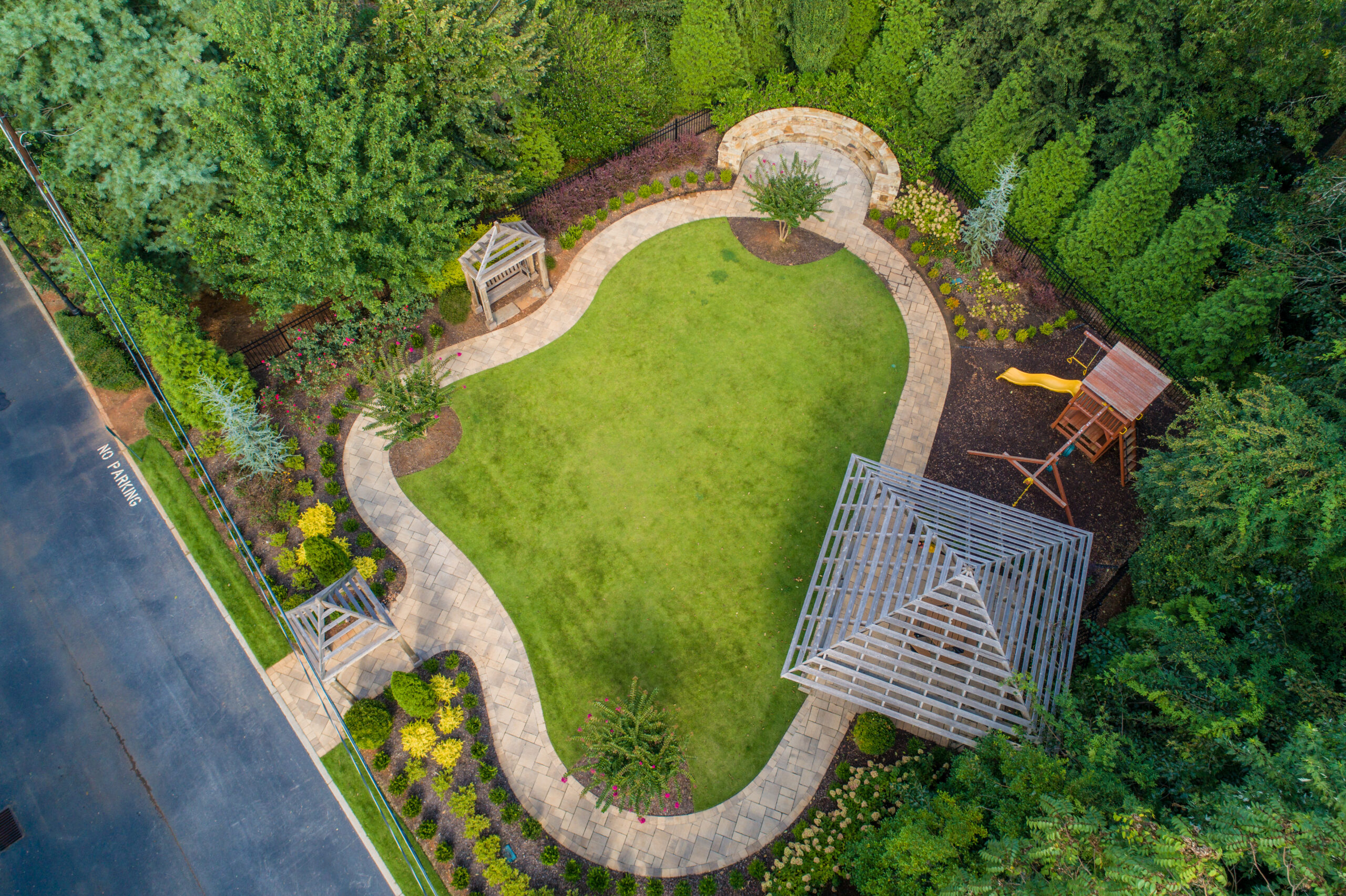
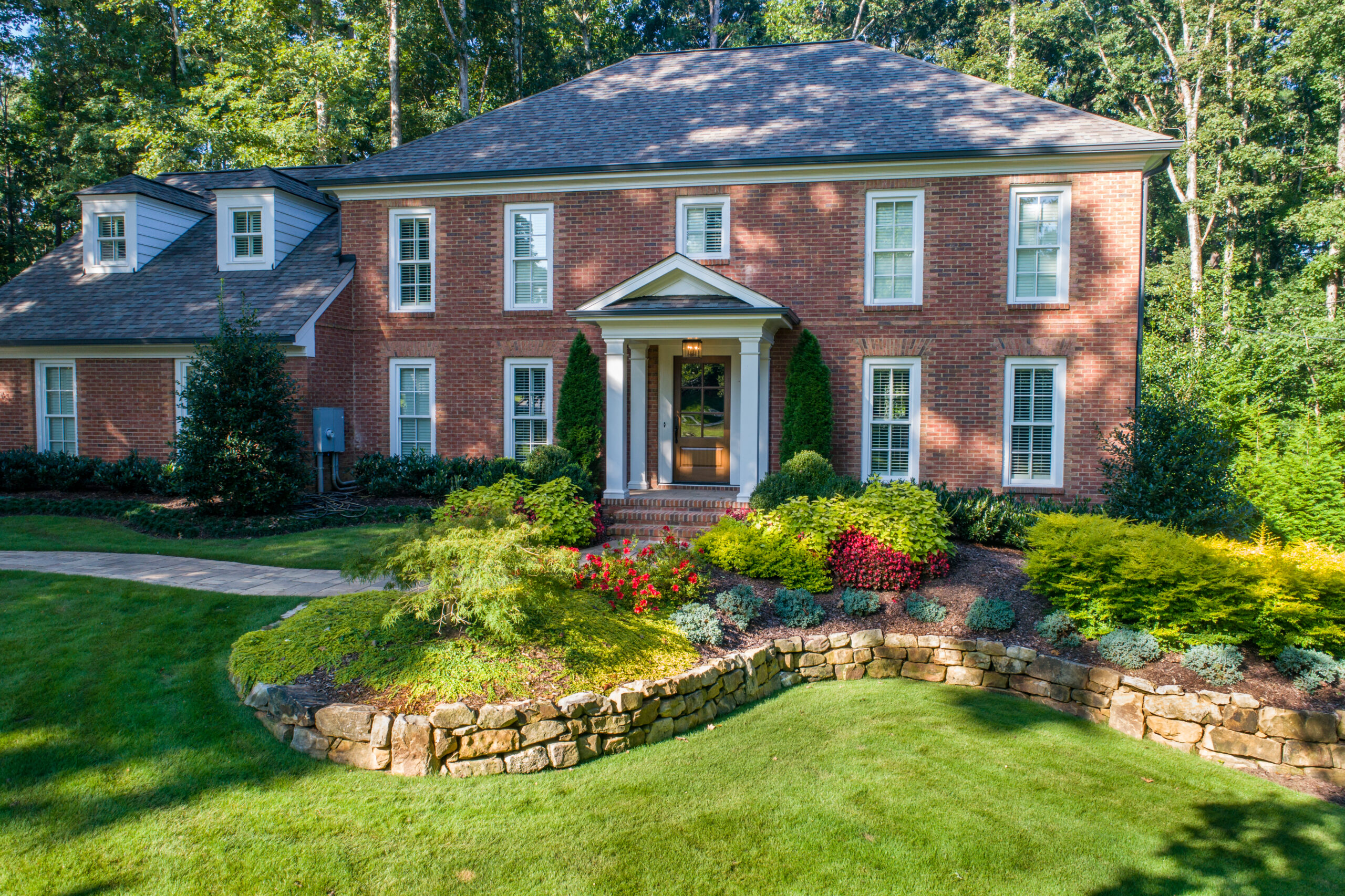
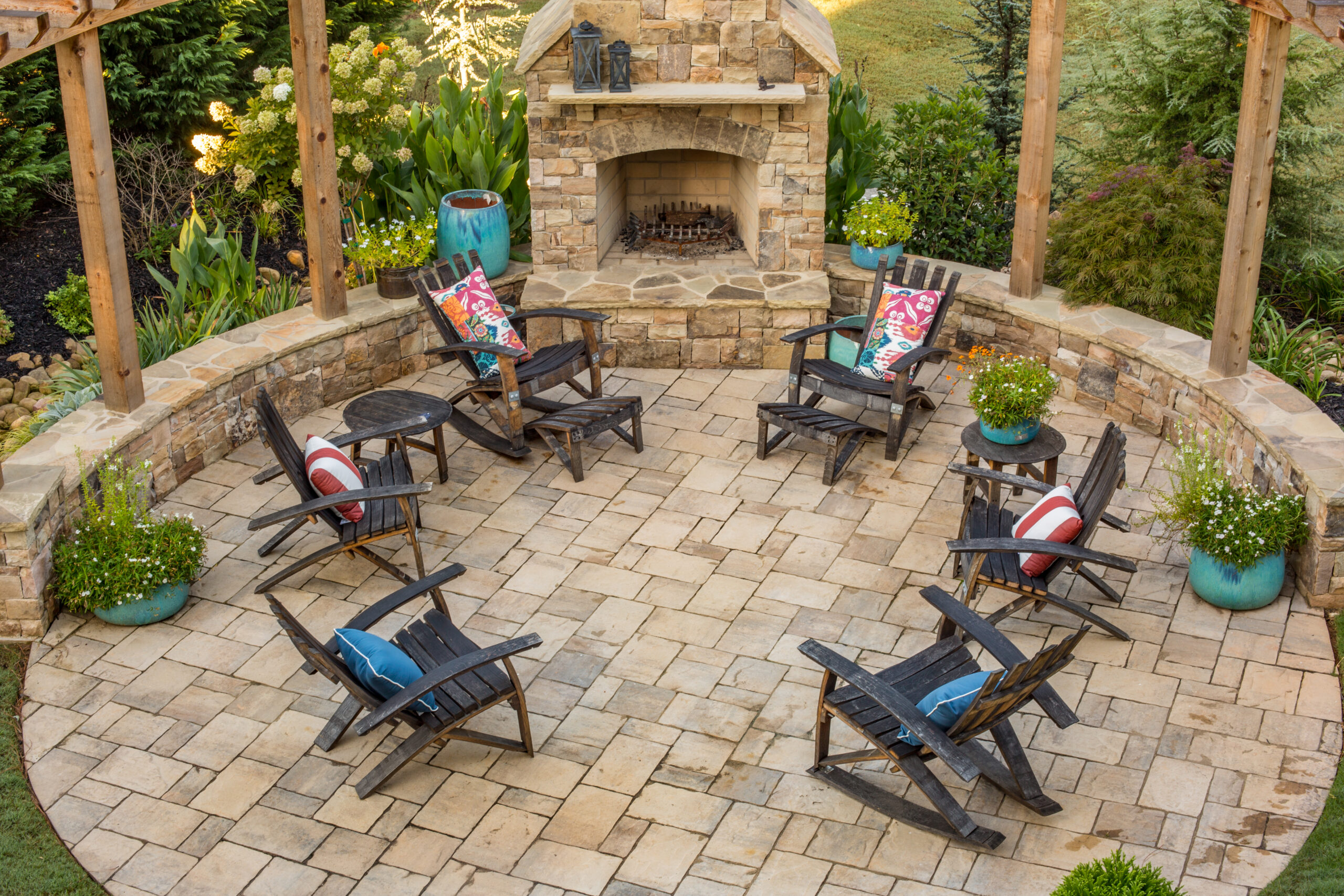
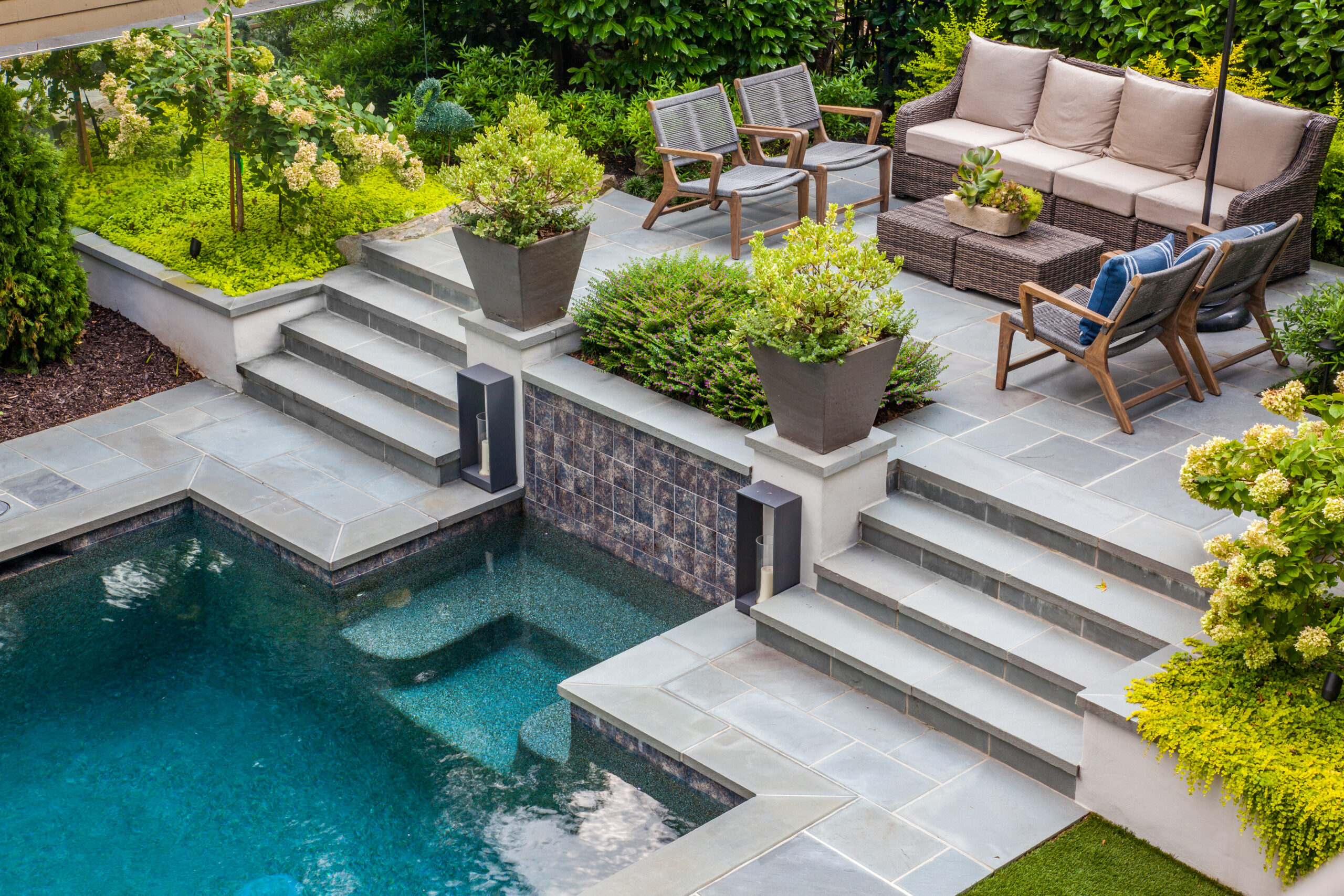
These examples show why lawn care should be viewed with the surrounding beds, paths, irrigation, outdoor rooms, and daily use of the property.
A Lawn That Works Hard For The Family
A Better Connection Between Turf And Beds
Seasonal Turf Care With A Clear Purpose
How It Works
From lawn concern to a clear care recommendation.
01
Consultation
We discuss lawn concerns, how the turf is used, the care already in place, and the seasonal result you want to support.
02
Property Review
Turf condition, soil compaction, traffic, grass type, irrigation, sun and shade, drainage, and nearby landscape features are reviewed.
03
Care Recommendation
We define whether aeration is appropriate and how it should fit with fertilization, mowing, irrigation maintenance, weed control, overseeding, or other work.
04
Service And Follow-Through
The agreed work is completed with the surrounding landscape in mind, and the next seasonal care steps are clarified.
Questions Homeowners Ask
Core aeration questions, answered plainly.
Aeration is a useful tool when the lawn condition, grass type, and site context point in that direction.
What is core lawn aeration?
Core aeration removes small plugs of soil from turf to help relieve compaction and create openings for air, water, and nutrients. It is different from simply poking holes in the ground.
How do I know whether my lawn needs aeration?
Hard or compacted soil, thinning turf, heavy traffic, water puddling or runoff, and a lawn that responds poorly to regular care can all be signs to investigate. A property review helps rule out other causes.
When is the best time to aerate a lawn in North Atlanta?
Timing depends on grass type and current growing conditions. Warm-season and cool-season lawns have different active-growth periods, so the appropriate time is determined after reviewing the turf and site.
Is overseeding included with lawn aeration?
Not automatically. Aeration and overseeding can be related services, but they are different scopes with different timing and material requirements. Your plan should clearly state what is included.
Can lawn aeration be done around sprinkler heads and irrigation lines?
Aeration can be planned with visible irrigation and landscape features in mind. Identifying components and reviewing the site before work helps establish the appropriate scope and precautions.
What should I do after lawn aeration?
Aftercare depends on grass type, season, weather, irrigation, and any coordinated fertilization or overseeding plan. The appropriate next steps should be clarified for the agreed service.
Service Areas
Serving Roswell and surrounding North Atlanta communities.
Greensmith provides lawn aeration and coordinated landscape care for properties throughout Roswell and nearby North Atlanta communities.
Roswell
Alpharetta
Milton
Sandy Springs
Marietta
Johns Creek
Buckhead
North Atlanta
Schedule A Lawn Assessment
Ready to give the lawn a more thoughtful next step?
Tell us what you are seeing: thin turf, hard ground, repeated wear, water that is not soaking in, or a lawn that needs a more coordinated seasonal plan.