
Elevated outdoor living, designed to inspire.
When irrigation performance becomes uneven, lawn areas and planting beds can receive too much water in one place and too little in another. Greensmith reviews the system, the site, and the landscape before recommending the next maintenance step.
Core irrigation system maintenance creates openings in irrigation performance so landscape has a better opportunity to receive air, water, and nutrients. It is not the answer for every thin or stressed lawn, which is why Greensmith starts with the property conditions before recommending the next step.
This page connects with Fertilization, Lawn Care, Irrigation System Maintenance, Weed Control, Mulching, and the Greensmith Services hub.
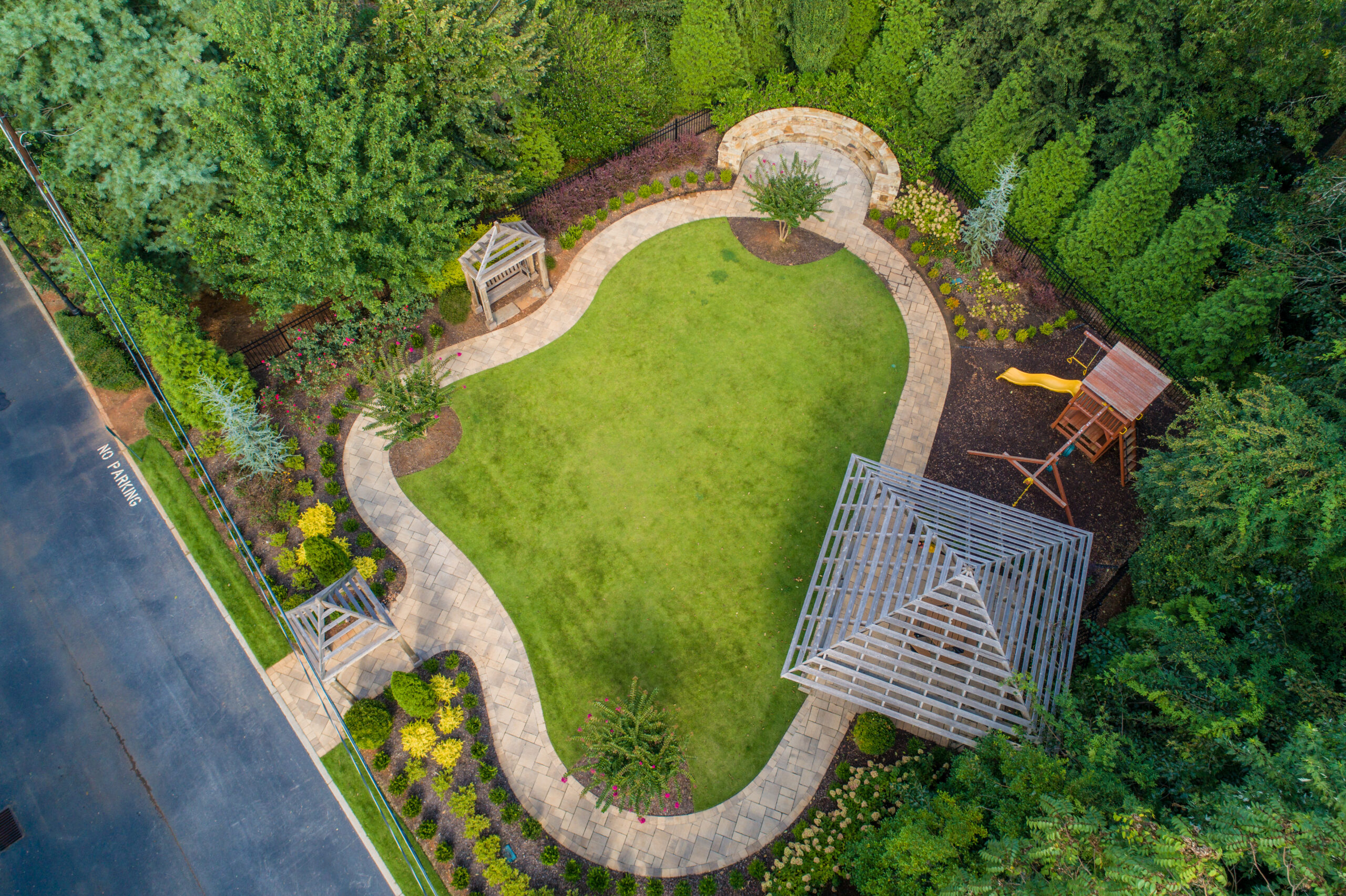
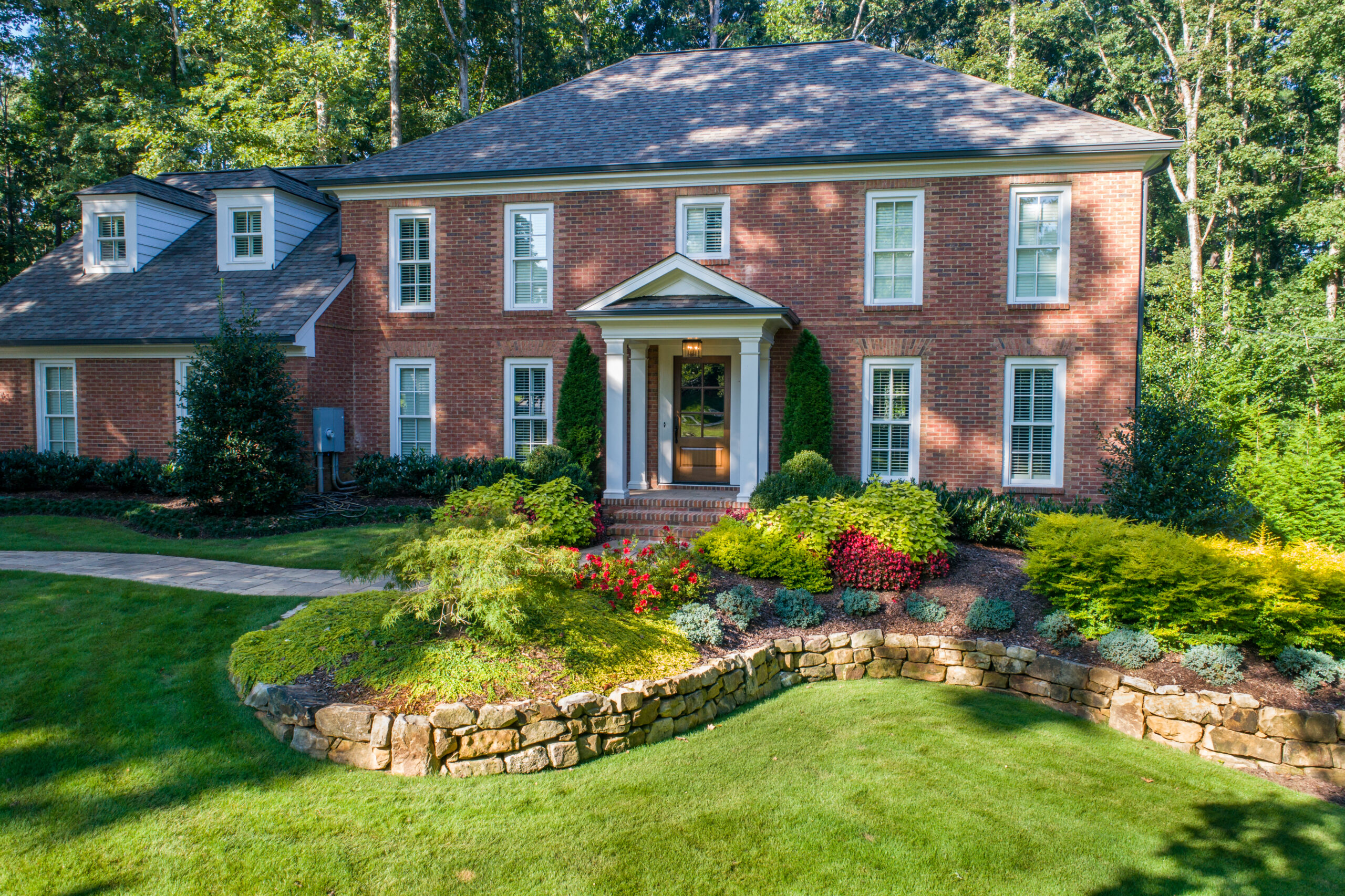
Compaction can come from repeated foot traffic, outdoor use, equipment, changing plant and bed conditions, and natural settling over time. Irrigation Maintenance is most useful when it is part of a plan that also considers planting type, irrigation, shade, drainage, and seasonal care.
C
Controller settings can drift out of step with rainfall, heat, new plantings, shade, and the way the property is being used.
Z
Spray patterns, dry areas, overspray, pooling, and visible component issues are reviewed so water is reaching the intended areas.
B
Turf, seasonal color, shrubs, trees, poolside planting, and mulched beds often need different irrigation thinking.
N
Some concerns call for routine adjustment. Others may need repair, component replacement, drainage review, or a broader irrigation redesign conversation.
Some lawns benefit from irrigation maintenance. Others may need irrigation attention, drainage review, grass-type guidance, fertilization, or another maintenance step first. The scope should follow the site conditions.
Review controller settings, observe active zones, and consider whether the system is aligned with current weather, plant growth, and seasonal needs.

Identify visible overspray, dry areas, pooling, obstructed heads, or coverage concerns before defining the appropriate next step.

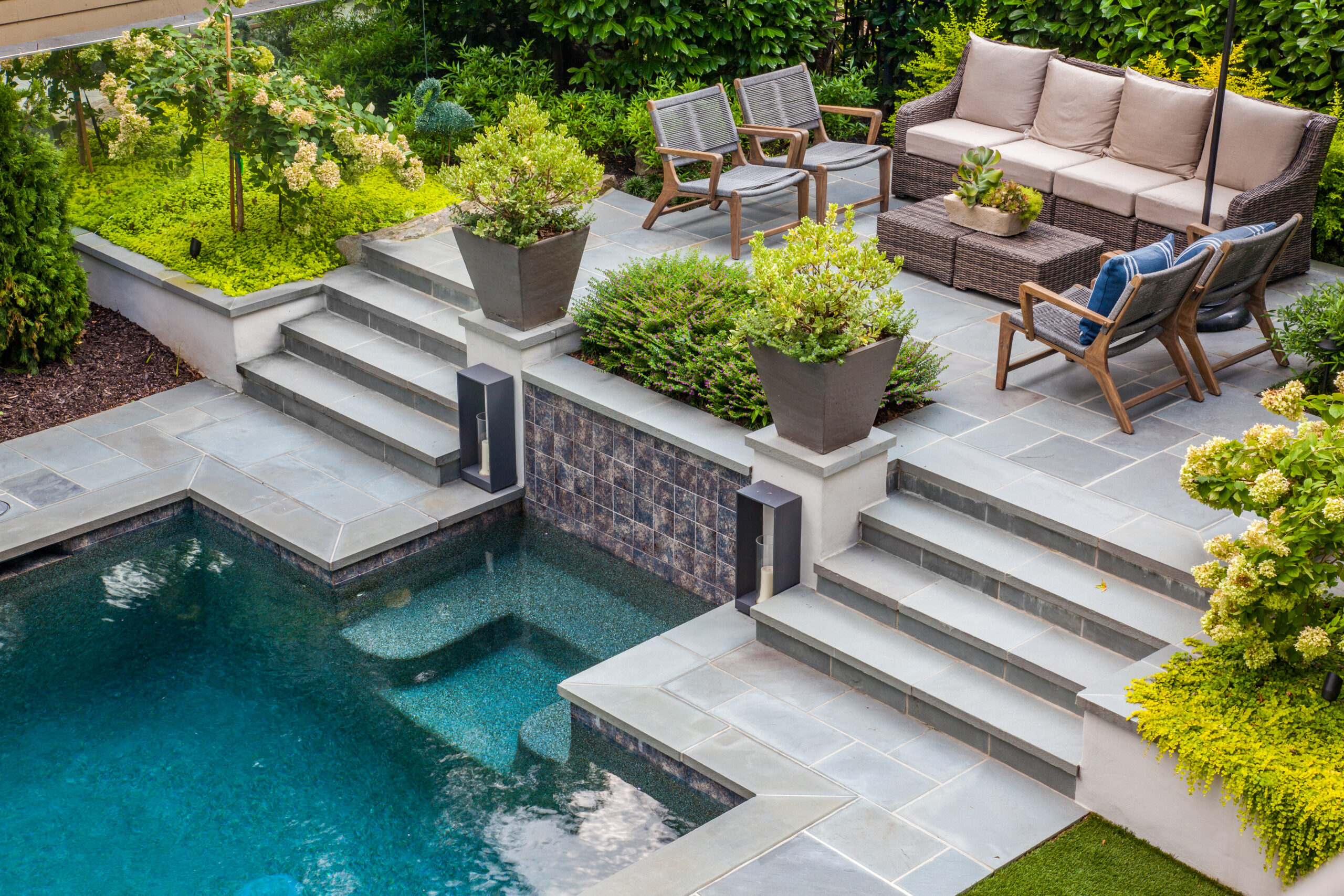
Open turf, foundation beds, seasonal color, mature shrubs, and poolside planting can require different water patterns and scheduling conversations.
If routine maintenance is not enough, the recommendation can clarify whether the issue belongs with repair, component replacement, drainage review, or redesign.

Water on paths, patios, walls, driveways, or outdoor rooms is a signal to review coverage and adjustment needs.
Irrigation maintenance can be coordinated with mowing, mulching, fertilization, pruning, seasonal planting, and bed care so services support one another.
Dry spots, overspray, pooling, broken heads, water on pavement, or a controller that no longer matches the season can all be reasons to request a check. Those signs can also relate to grade, drainage, plant growth, blocked components, site changes, or broader system design.
A maintenance check focuses on how the existing system supports the current landscape. If the review points to grading, pooling, runoff, drainage, or a major system redesign, that conversation should be routed to the broader Drainage and Irrigation service instead of hidden inside a routine maintenance visit.
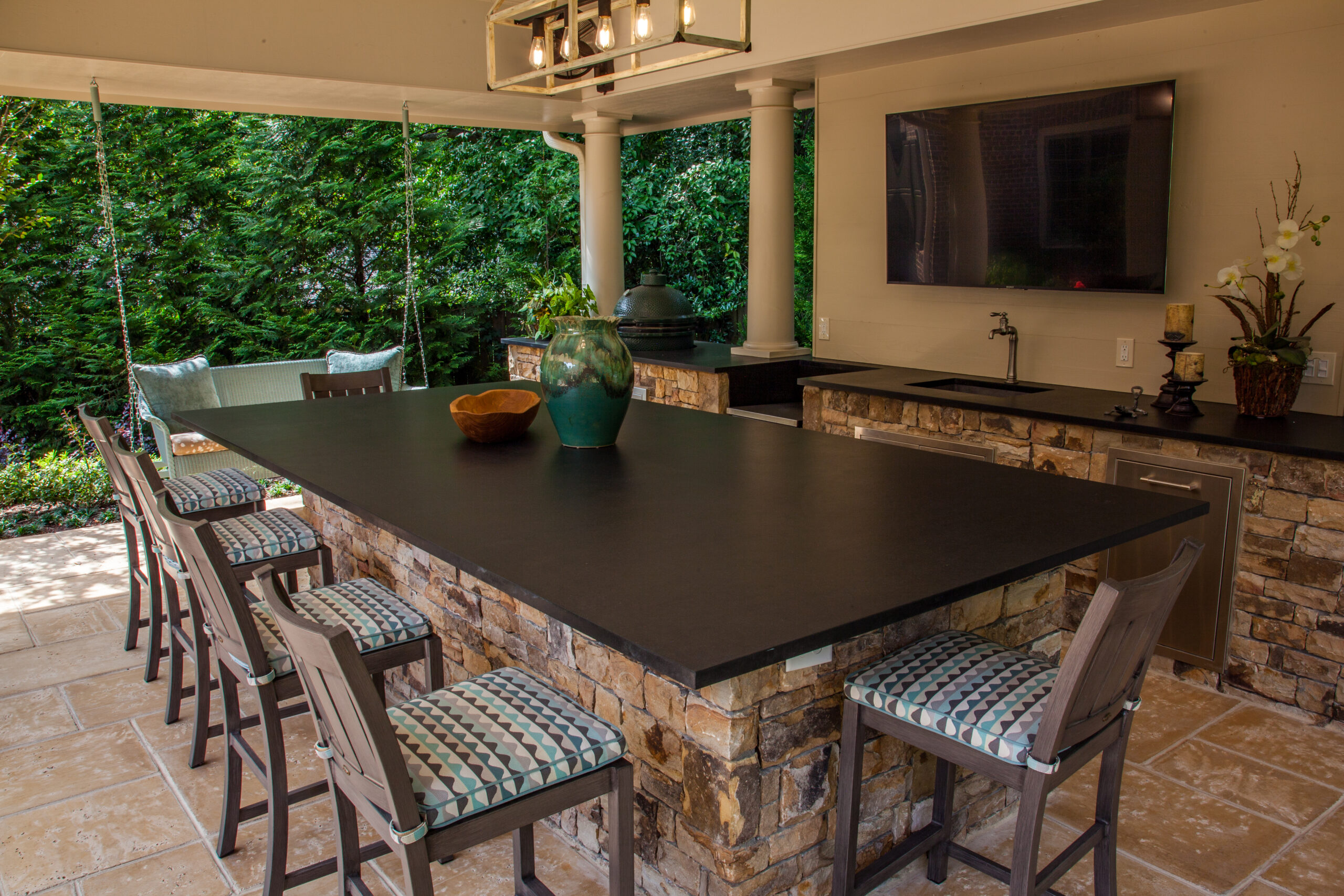
These examples show why irrigation should be viewed with surrounding beds, paths, hardscape, outdoor rooms, and seasonal maintenance.
A Lawn That Receives The Right Attention
Planting Beds That Stay Supported
A System That Works In The Background
01
We discuss the property, the system concerns you are seeing, the landscape being watered, and the seasonal result you want to protect.
02
Controller settings, lawn areas, planting beds, visible coverage, seasonal conditions, hardscape edges, and site changes are reviewed together.
03
We clarify the agreed maintenance scope, visible concerns, and whether the next step is routine care, repair, upgrade, drainage review, or a larger design conversation.
04
The agreed work is completed, and the property’s next seasonal irrigation and maintenance needs can be considered within the larger Greensmith plan.
A system check should clarify what is included now, what needs repair or upgrade scope, and when a broader drainage or redesign conversation is the better next step.
The exact scope depends on the property and service plan. It may include a seasonal review of controller settings, zone performance, visible coverage, and concerns such as dry areas or overspray. Your agreed scope should clearly state what is included and when an issue requires repair or redesign work.
The right frequency depends on the system, plant material, changing seasons, rainfall, site conditions, and any visible concerns. Many properties benefit from seasonal review as landscape and weather conditions change.
Uneven coverage can be related to zone design, sprinkler-head position, visible damage, plant growth, controller settings, soil conditions, grade, or other site changes. A system and property review helps identify the appropriate next step.
It can help identify visible overspray or coverage concerns. Depending on the cause, the next step may be an adjustment, repair, component change, or a broader irrigation and drainage review.
Often, yes. Turf, established shrubs, seasonal color, new plantings, and mulched beds can have different needs. A thoughtful system review considers what is being watered rather than treating the whole property as one zone.
Some issues may be addressed through repair or an upgrade; others may require a larger redesign or drainage conversation. The appropriate scope should be clarified after reviewing the system and landscape conditions.
Greensmith provides irrigation system maintenance and coordinated landscape care for properties throughout Roswell and nearby North Atlanta communities.
Roswell
Alpharetta
Milton
Sandy Springs
Marietta
Johns Creek
Buckhead
North Atlanta
Tell us what you are seeing: dry or saturated areas, dry spots, repeated wear, overspray, pooling, or uneven coverage, or a lawn that needs a more coordinated seasonal plan.
A clear irrigation recommendation depends on what the system is doing now, what the landscape needs, and whether the next step is maintenance, repair, drainage review, or redesign.